
Signs Your Child May Be Developing Myopia
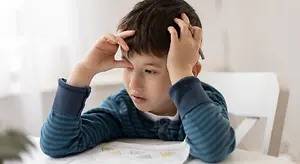
Your child might not tell you when their vision starts changing. Instead, you may notice them squinting at the television, moving closer to screens, or struggling to recognize something across the room. These small changes can be early signs of myopia in kids.
Myopia, also called nearsightedness, is a common vision condition that makes distant objects appear blurry while nearby objects remain relatively clear. It often begins during childhood and may progress as the eyes continue growing.
At Today's Vision, our Houston-area optometrists help families recognize childhood vision problems through comprehensive pediatric eye exams and personalized care. Knowing what to watch for at home can help you identify when it's time to schedule an appointment.
Why Is Myopia Sometimes Difficult to Recognize in Children?
Children don't always realize their eyesight is different from anyone else's. If distant objects have gradually become blurry, they may assume that's simply how the world looks.
Some children also adapt without mentioning the problem. They might move closer to the television, choose a seat near the classroom board, or avoid activities that require clear distance vision.
Because myopia often develops gradually, these changes can be easy to overlook. Parents may notice shifts in their child's behavior before hearing any complaints about blurry eyesight.
What Are the Early Signs of Myopia in Kids?
The most common signs of myopia in kids involve difficulty seeing objects at a distance. However, children may express that difficulty through changes in their everyday habits rather than describing a vision problem.
1. Squinting to See Distant Objects
Does your child squint while watching television, looking at classroom displays, or trying to recognize someone across the playground?
Squinting temporarily reduces the amount of scattered light entering the eyes, which can make blurry objects appear slightly clearer.
Occasional squinting in bright sunlight is normal, but frequent squinting to see distant objects may indicate nearsightedness or another vision problem.
2. Sitting Too Close to Screens
Squinting and sitting close to screens are two behaviors parents often notice when a child's vision begins changing.
A child with myopia may move closer to the television because the picture looks clearer at a shorter distance.
Holding books or tablets unusually close may also raise concerns, although this behavior isn't specific to myopia. Children may prefer close viewing distances for other reasons, including habits or focusing difficulties.
If your child consistently moves closer to see clearly, an eye exam can help determine why.
3. Frequent Headaches or Eye Discomfort
Frequent headaches in children can have many causes, including visual problems.
A child struggling to see distant objects may experience discomfort during activities that require sustained visual attention. They might complain of tired eyes after school or develop headaches following periods of concentrated work.
Eye rubbing can also accompany visual discomfort, although allergies, dryness, and fatigue are other common explanations.
Headaches and eye rubbing alone don't confirm myopia, but persistent symptoms deserve attention.
4. Difficulty Seeing the Classroom Board
Children spend much of their school day switching between near and distant tasks.
A student with developing myopia may read books comfortably but struggle to see writing on the classroom board, presentations, or instructions displayed across the room.
You might notice that your child copies notes incorrectly, asks classmates what something says, or seems less engaged during activities requiring distance vision.
These behaviors aren't always caused by eyesight problems, but they can be useful clues.
5. Trouble Seeing During Sports and Outdoor Play
Myopia can also affect activities outside the classroom.
Your child may have difficulty following a ball across a field, recognizing teammates from a distance, or seeing signs and landmarks during outdoor activities.
Some children compensate by moving closer to the action, while others may become less confident participating.
If your child suddenly seems to struggle with activities they previously enjoyed, consider whether a change in distance vision could be contributing.
What Should Parents Do If They Notice These Signs?
If you recognize several of these behaviors, the next step is to schedule a pediatric eye exam.
Myopia cannot be diagnosed based on symptoms alone. Squinting, headaches, and changes in reading distance may also be associated with other vision concerns.
During a comprehensive examination, your optometrist can assess visual acuity, measure your child's prescription, evaluate eye coordination, and examine overall eye health.
If your child is diagnosed with myopia, your eye doctor can explain whether prescription glasses or contact lenses are appropriate.
For some children, myopia management may also be recommended to help slow nearsightedness progression as their eyes develop.
At Today's Vision, our optometrists provide personalized myopia management options, including orthokeratology (ortho-k), based on each child's vision and individual needs.
Frequently Asked Questions About Childhood Myopia
Why Don't Kids Usually Tell Parents Their Vision Is Changing?
Children may not recognize blurry distance vision as unusual, especially when changes develop gradually. They often assume everyone sees the same way they do or adapt by moving closer to objects.
What Are the Most Common Early Signs of Myopia?
Common warning signs include frequent squinting, difficulty seeing distant objects, sitting close to the television, and struggling to read classroom displays. Headaches and eye rubbing may also occur, although they aren't specific to myopia.
My Child Sits at the Front of the Classroom but Still Struggles. Could It Be Myopia?
Yes. Sitting closer to the board may help some children with nearsightedness, but it doesn't guarantee clear vision. If your child continues having difficulty, a comprehensive eye exam can identify whether myopia or another vision problem is contributing.
Can Trouble Seeing During Sports Be a Sign of Myopia?
Yes. Myopia affects distance vision, so children may struggle to follow balls, recognize teammates, or see objects across a playing field. These difficulties can be especially noticeable during outdoor activities.
What Happens at an Eye Exam If Myopia Is Suspected?
Your optometrist will check how clearly your child sees at different distances, measure their prescription, assess how their eyes work together, and evaluate eye health. If myopia is diagnosed, your eye doctor will discuss vision correction and whether myopia management may be appropriate.
Help Protect Your Child's Vision at Today's Vision
Children don't always have the words to explain when something about their vision feels different. Recognizing subtle changes in their daily habits can help you take action before blurry eyesight begins interfering with school, sports, or other activities.
At Today's Vision, our optometrists provide gentle, thorough pediatric eye care and personalized recommendations for growing eyes. We take the time to explain examination results, answer parents' questions, and discuss appropriate vision correction or myopia management options.
With convenient locations in Tomball/Pinehurst, Tanglewood, Briar Forest, and Barker Cypress, our team is here to support your family's long-term eye health.
Book your child's pediatric eye exam at Today's Vision today and find out whether changes in their vision need attention.